Audit vs. Accounting: What Your Business Really Needs in Kenya
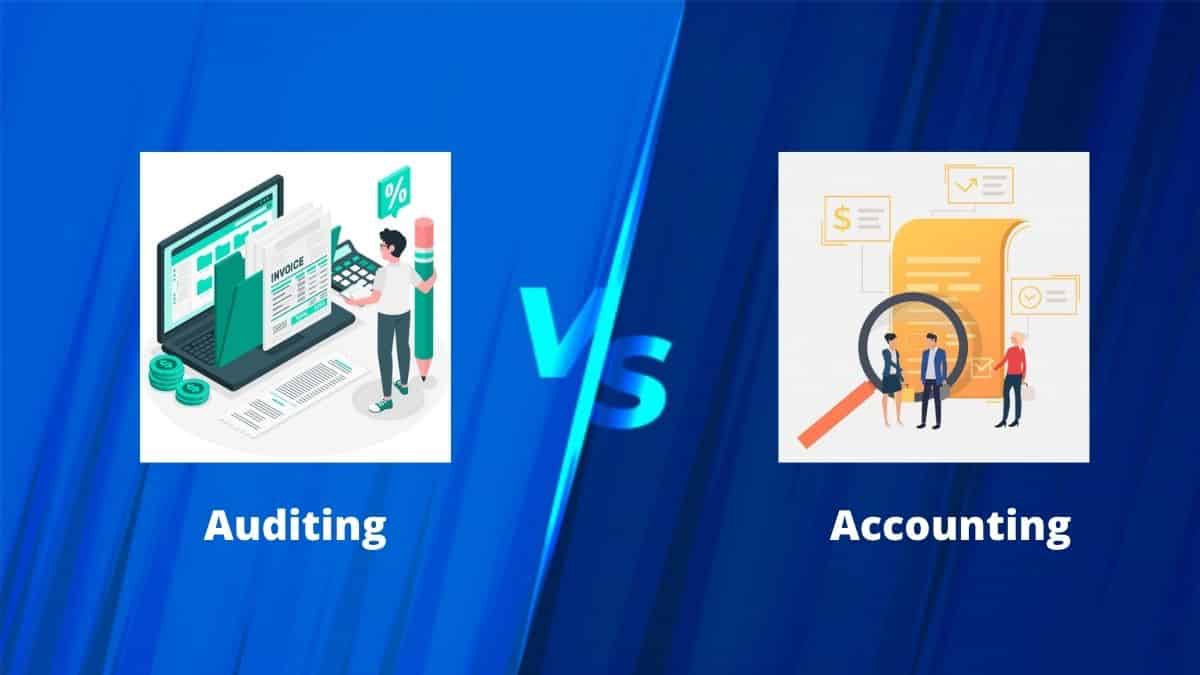
Running a successful business in Kenya means more than just making sales and paying suppliers. Behind the scenes, numbers tell the real story of growth, profitability, and compliance. Yet many business owners confuse accounting and audit – two critical but different services. So, what's the difference, and which one does your business really need?
Understand Accounting
In order to run a business effectively, you need the day-to-day recording, analyzing, and reporting of financial transactions. This forms the backbone of accounting. Accounting provides a clear picture of income, expenses, assets, and liabilities, which is vital for decision-making and long-term success.
For the success of your business, you'll need the below 4 key accounting:
- • Bookkeeping which tracks daily sales, purchases, and payments.
- • Financial reporting – preparing income statements, balance sheets, and cash flow statements.
- • Tax preparation which ensures your business stays compliance with KRA.
- • Budgeting and forecasting to help your business plan for growth and manage cash flow.
For example, an e-commerce store in Nairobi using proper accounting can easily track inventory, revenue, and expenses, prepare VAT returns accurately, and identify ways to cut costs. Without this clarity, growth becomes guesswork.
Understand Audit
Audit, on the other hand, is an independent review of financial records to confirm accuracy and compliance with the law. Unlike accounting, which happens daily, an audit is done periodically, usually yearly.
In Kenya there are 4 main types of Audits:
- • Statutory Audit as required by law under the Companies Act 2015.
- • Tax Audit – ensures your tax submissions to KRA are accurate.
- • Internal Audit, which assesses internal controls and risks.
- • External Audit, which provides credibility to investors and lenders.
One key area where audited financial statements are required, is when you are seeking funding from investors. The audit assures investors that the financial information is reliable, increasing trust and chances of raising capital.
The Key Differences
Comparing the two shows their distinct roles. Accounting records and reports continuously, while auditing verifies accuracy periodically. Accounting mainly serves owners, managers, and KRA, while audits are meant for investors, lenders, and regulators.
In Kenya, every business benefit from proper accounting for financial management and compliance, while registered companies are legally required to undergo annual audits.
Which Service Does Your Business Really Need?
Therefore, it brings us to the question, which of the two does your business really need. The truth is: most businesses in Kenya need both i.e.
For SMEs and Startups
Need accounting to manage finances, file taxes, and make informed decisions.
Registered Companies
Require an annual audit to comply with the law and build credibility with banks, investors, and regulators.
Even businesses not legally required to audit can gain from voluntary audits, as they help uncover fraud, inefficiencies, and opportunities for growth.
Conclusion
Accounting and audit are not competing but complementary functions. Together, they allow your business to stay compliant, attract funding, and grow sustainably.
At AIG Accounting & Audit LLP, we support SMEs, startups, and established firms across Kenya with both services. Whether you need reliable bookkeeping, tax advisory, or an independent audit, our team ensures your business is compliant, credible, and prepared for long-term growth.
Talk to us today and discover the right financial solution for your business.